

Online shoppers rarely buy the first thing they see. Whether they’re looking at sneakers, skincare products, or strong nicotine pouches, they tend to compare options, check reviews, and listen to people they trust. Affiliate marketing brings brands into that research process, connecting relevant recommendations with products shoppers are already considering.
For e-commerce businesses, this can mean more than a quick spike in traffic. The right partners can help build awareness, reach new audiences, and generate sales without relying on paid ads alone.
The growing role of affiliate marketing in e-commerce
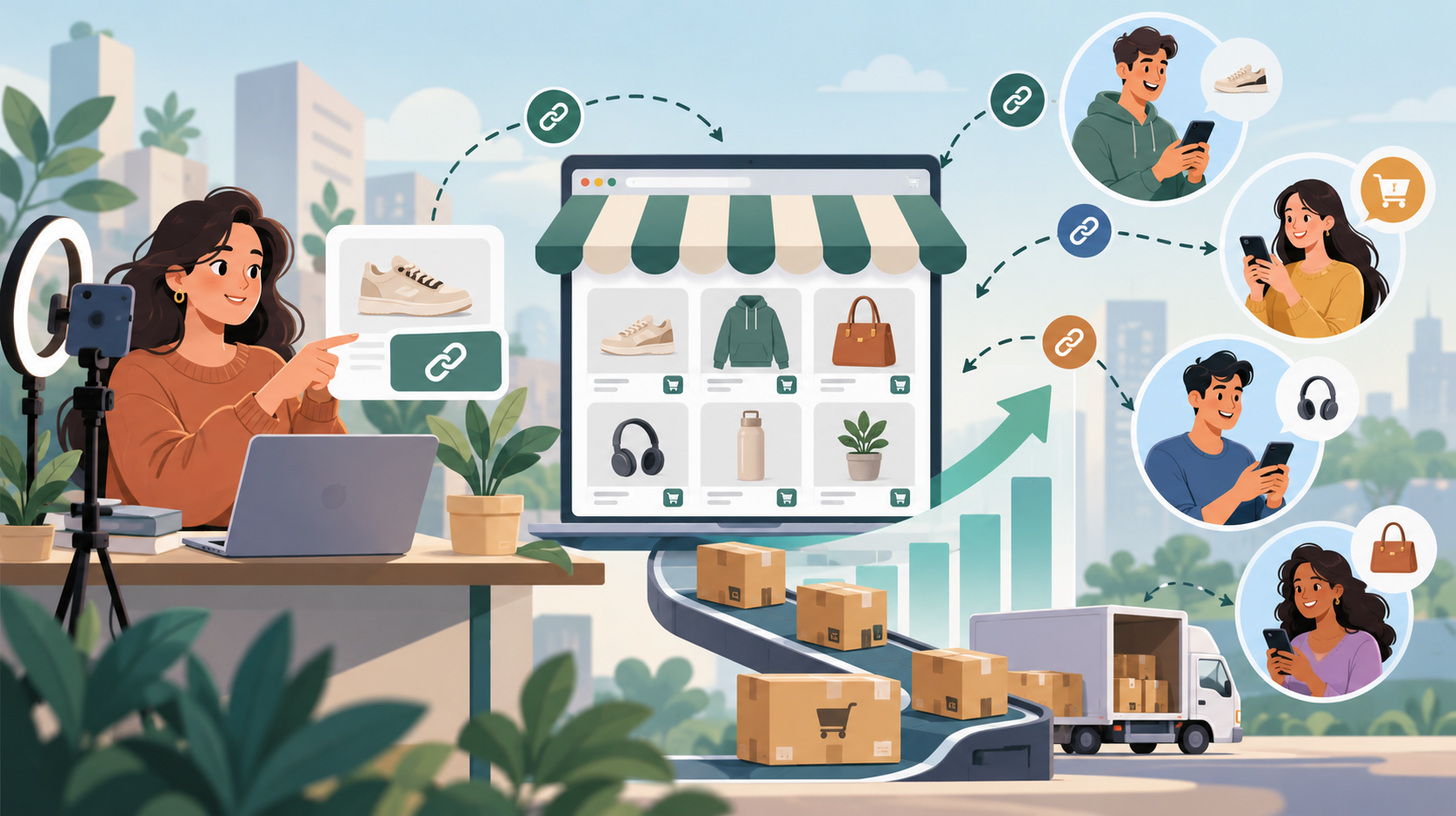
Affiliate marketing is simple: a brand rewards a partner for a tracked sale or another agreed action. That partner might be a creator, blogger, review site, newsletter, or shopping platform.
The model fits how people shop now. Product discovery happens across social feeds, search, videos, and online communities. Affiliates meet shoppers where they already spend time and guide them toward relevant products.
Why affiliate marketing works for e-commerce
The strongest programs give customers a reason to click, not just another discount code. Here’s what makes them valuable:
- Built-in trust. A thoughtful review or honest demo can answer questions a product page misses. The key is a good match between the creator, the audience, and the product.
- Performance-led spending. Commissions are often tied to completed purchases. Brands can track results and adjust costs, although creator fees and platform tools still matter.
- Room to scale. A small store can start with a few niche partners, then expand into new audiences or markets as results become clear.
- More ways to be found. Videos, comparison guides, newsletters, and communities bring shoppers in from different channels.
E-commerce brands putting affiliates to work
Amazon Associates and eBay Partner Network show how large marketplaces turn product recommendations into purchases. Shopify uses a different approach, rewarding partners who refer merchants to its platform.
Smaller brands can make the model feel even more personal. A skincare label might work with creators who explain routines. A fitness store might partner with coaches who test gear. The best content helps people choose; it doesn’t just push them to buy.
Trends shaping the next stage
- Creator-led shopping. Short videos, livestreams, and product tags make the path from discovery to checkout shorter. Smaller creators can be especially valuable when their audience is tightly focused.
- Content that answers real questions. Search-friendly comparisons, tutorials, and hands-on reviews still matter. As AI-powered search changes how people find products, original experience and clear advice stand out.
- Smarter partner management. Brands are using automation to find relevant partners, check conversions, and flag unusual activity. They also look beyond the last click to understand who introduced the product in the first place.
- Flexible rewards. Some creators prefer a flat fee plus commission. Hybrid deals can support better content while keeping sales goals in focus.
Challenges brands need to manage
Growth brings risks. Fake orders, misleading claims, and coupon abuse can drain budgets. Brands need clear partner rules, regular checks, and reliable tracking.
Attribution is another weak spot. A shopper may discover a product in a video, research it elsewhere, and buy later on a different device. One referral link rarely tells the whole story.
Transparency matters, too. Affiliates should clearly disclose paid relationships, while brands must respect privacy rules and avoid making claims they cannot support.
The future of affiliate marketing in e-commerce
Affiliate marketing works best when it feels like a useful part of shopping, not an interruption. Brands that choose relevant partners, reward real value, and measure more than clicks can turn one-off referrals into lasting growth.
As discovery keeps shifting between creators, communities, and AI-powered tools, trust will remain the advantage worth building.